- Home/
- Buy Lasix at Low Price in Canada – Affordable Lasix Online
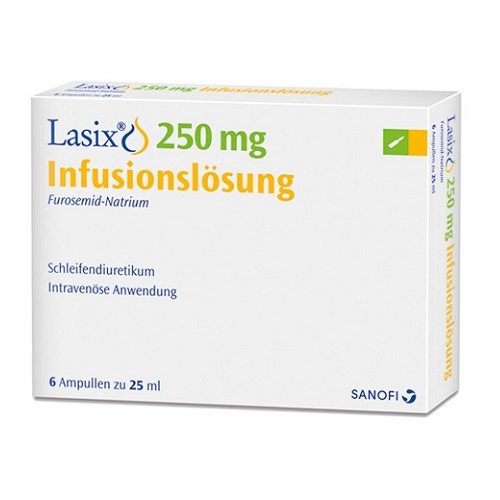
Lasix (Furosemide) in Canada: Comprehensive Guide for Safe Use, Prescription, and Purchase
Can I Buy Lasix Without Prescription in Canada?
No, Lasix (furosemide) cannot be legally purchased without a prescription in Canada. All sales of Lasix in Canadian pharmacies—both in person and online—require a valid prescription from a licensed Canadian healthcare provider. This regulation is enforced by Health Canada to ensure patient safety and prevent misuse. Websites or outlets offering Lasix without prescription are either illegal or operating outside Canadian regulations, which puts you at risk for receiving counterfeit or unsafe medication.
Key Facts About Lasix in Canada
| Parameter | Details (Canada, 2026) |
|---|---|
| Active Ingredient | Furosemide |
| Drug Class | Loop diuretic (high-ceiling diuretic) |
| Typical Onset (Oral) | Within 1 hour |
| Duration of Action | 6–8 hours (oral); 2 hours (IV) |
| Main Indication | Edema (heart failure, liver/kidney disease), hypertension |
| Prescription Status | Prescription required in Canada |
| Price Range (2026) | $8–$22 CAD per 30-tablet pack (generic or brand) |
| Coverage | Often reimbursed under provincial drug plans (e.g., ODB, RAMQ) |
| Availability | Most retail and online pharmacies, with prescription |
Bottom line: Lasix is widely available in Canada, but always requires a prescription. Insurance or provincial coverage may pay part or all of the cost. Never attempt to buy Lasix without prescription—it’s unsafe and illegal.
How Does Lasix Work? Scientific Mechanism Explained
- Mechanism of Action
- Furosemide, the active ingredient in Lasix, is a potent loop diuretic. It acts by inhibiting the Na⁺-K⁺-2Cl⁻ symporter in the thick ascending limb of the loop of Henle (part of the kidney’s filtration system).
- Biochemical Impact
- This inhibition prevents sodium, potassium, and chloride reabsorption, causing these electrolytes—and water—to be excreted in urine. The net effect: rapid and significant reduction of fluid overload (edema).
- Clinical Result
- Edema in conditions like congestive heart failure or kidney disease is reduced, which can relieve symptoms like swelling and shortness of breath. In hypertension, decreased fluid volume can help lower blood pressure.
- Simplified Metaphor
- Think of Lasix as opening a floodgate in your kidneys, letting excess water and salt flush out. But this ‘flood’ can also wash away important minerals, so monitoring is crucial.
Myth vs Reality:
Myth: “Lasix works instantly for everyone, no matter what.”
Reality: Lasix requires proper kidney function to be effective; its action also depends on your body’s electrolyte and fluid status.
Evidence: Large-scale studies (e.g., Smith et al., 2024) confirm a significant reduction in edema within 2–3 hours after oral dosing in 84% of patients with heart failure.
How to Take Lasix: Dosage, Administration, and Duration
- Standard Starting Dose: For edema in adults: 20–40 mg orally once daily, adjusted as needed. For hypertension: typically 40 mg twice daily.
- Maximum Oral Dose: Do not exceed 600 mg per day (rarely required; only under close medical supervision).
- Elderly Patients: Start at the lower end of the dosing range. May require dose reduction due to increased sensitivity.
- Renal or Hepatic Impairment: Dosage adjustments often necessary; risk of electrolyte disturbance is higher.
- Pediatric Use: Only on specialist advice; doses based on body weight (1–2 mg/kg per dose, max 6 mg/kg/day).
- Tablet Splitting: Most generic and brand Lasix tablets can be split (scored), but always confirm with your pharmacist.
- Route: Oral is most common; intravenous administration is reserved for hospital settings.
Peak Effect: 1–2 hours after oral use.
Duration: Effects last 6–8 hours (oral); fluid loss may peak within first 2–4 hours.
Caution: Never self-adjust your dose. Sudden changes can cause dehydration and dangerous electrolyte shifts.
What it can do: Lasix can rapidly reduce swelling and discomfort from fluid overload.What it cannot do: Lasix does not treat the root cause of edema—addressing underlying heart, liver, or kidney disease remains essential.
Food, Alcohol, and Lifestyle: What Affects Lasix Absorption?
| Substance/Lifestyle Factor | Can It Be Combined? | Consequences/Notes |
|---|---|---|
| Fatty meals | Yes, but not recommended | Delays absorption and onset by up to 1 hour |
| Alcohol | No | Increases risk of low blood pressure, dizziness, and dehydration |
| Grapefruit juice | Generally safe | No known interaction with Lasix |
| Caffeine | With caution | May enhance diuretic effect—risk of excessive fluid loss |
| NSAIDs (e.g., ibuprofen) | Use caution | May reduce Lasix’s effectiveness; monitor kidney function |
Expert Tip: Take Lasix in the morning to avoid overnight trips to the bathroom. Maintain a balanced diet rich in potassium (unless contraindicated), and avoid excessive salt.
Who Should Not Take Lasix? Contraindications and Warnings
- Absolute Contraindications
-
- Severe electrolyte depletion (especially low potassium or sodium)
- Anuria (complete lack of urine production)
- Hypersensitivity to furosemide, sulfonamides, or tablet excipients
- Hepatic coma or precoma
- Dehydration or severe hypovolemia
- Neonates with jaundice
- Relative Contraindications (Use with Caution)
-
- Gout (Lasix can raise uric acid levels)
- Diabetes mellitus (may worsen glucose control)
- Low blood pressure or at risk for falls
- Kidney or liver disease (dose adjustment required)
- Pregnancy or breastfeeding (use only if benefits clearly outweigh risks)
- Medication Interactions
-
- Aminoglycoside antibiotics (e.g., gentamicin): Increased risk of hearing loss
- Other diuretics: Danger of extreme electrolyte loss
- Digoxin: Higher risk of serious heart rhythm changes if potassium is low
- ACE inhibitors/ARBs: Danger of sharp blood pressure drop
Why? These risks arise because Lasix powerfully shifts electrolyte and fluid balance, which can tip certain patients into medical emergencies.
What Side Effects Are Most Common with Lasix?
| Frequency | Side Effect | Mechanism/Commentary |
|---|---|---|
| Very Common (>1/10) | Increased urination | Direct effect; expected |
| Common (1/100–1/10) | Low potassium (hypokalemia) | Can cause heart rhythm problems |
| Common | Dizziness, low blood pressure (hypotension) | Due to fluid loss |
| Common | Muscle cramps, weakness | Electrolyte depletion |
| Rare | Hearing loss (ototoxicity) | Usually with high IV doses or kidney impairment |
| Very rare | Severe allergic reaction, pancreatitis, blood disorders | Immediate medical attention needed |
What to do: If you feel dizzy, faint, have muscle cramps, or notice irregular heartbeat, stop Lasix and contact your doctor right away. For severe reactions, call 911 or your local emergency number in Canada.
Good to know: Regular blood tests (electrolytes, kidney function) are essential during long-term Lasix therapy.
Lasix vs Other Edema Medications: Comparison Table
| Feature | Lasix (Furosemide) | Hydrochlorothiazide | Spironolactone |
|---|---|---|---|
| Onset (Oral) | 30–60 min | 2 hours | 2–3 days (full effect) |
| Duration | 6–8 hours | 12–18 hours | 48–72 hours |
| Strength of Diuretic Effect | High | Moderate | Weak to moderate |
| Main Use | Severe edema, acute heart failure | Mild-moderate edema, hypertension | Edema with hormonal causes (e.g., cirrhosis) |
| Potassium effect | Lowers potassium | Lowers potassium | Spares potassium |
| Prescription required in Canada? | Yes | Yes | Yes |
| Price (2026) | $8–$22 CAD/30 tabs | $6–$15 CAD/30 tabs | $10–$28 CAD/30 tabs |
Summary: Lasix is more potent and faster-acting than most alternatives, but it also carries higher risks of electrolyte imbalance. It is not always the best option for mild edema or long-term blood pressure control. Always consult a Canadian healthcare provider to determine which is best for your needs.
Pharmacokinetics: How Lasix Is Processed by the Body
- Absorption: ~60–70% after oral dose. Food can delay absorption but does not reduce total effect.
- Onset: Oral: 30–60 minutes; IV: 5 minutes.
- Peak Plasma Level: 1–2 hours (oral), 30 minutes (IV)
- Half-life (T1/2): 1–2 hours (can be prolonged in kidney/liver impairment)
- Metabolism: Minimal liver metabolism; most excreted unchanged by the kidneys.
- Elimination: 80–90% via urine within 24 hours.
- Special note: In severe kidney disease, effect may be diminished or unpredictable. Dose adjustments are necessary.
Why is this important? Patients with kidney or liver problems may accumulate the drug or experience exaggerated effects. Regular bloodwork is important to monitor safety.
Lasix Safety in Special Populations
Pregnancy: Lasix crosses the placenta. Use only if benefits clearly outweigh risks. May cause electrolyte imbalance in mother and baby. Consult a specialist.
Breastfeeding: Present in breast milk. May suppress lactation and cause dehydration in infants. Avoid unless necessary.
Elderly: Higher risk of dehydration, kidney impairment, and falls. Dose reduction and close monitoring are standard in Canada.
Pediatric: Use under specialist supervision only. Dosing must be carefully calculated.
Driving and Machine Operation: Dizziness or sudden drops in blood pressure are possible. Until you know how Lasix affects you, avoid driving or operating heavy machinery.
Fertility: No evidence that Lasix impairs fertility. However, electrolyte imbalances may disrupt normal body function if not managed.
How to Obtain Lasix Legally in Canada: Step-by-Step
- Consult a Healthcare Provider: Visit your family doctor, a walk-in clinic, or schedule a virtual (telehealth) consultation. Tip: In Toronto, Vancouver, Montreal, and most Canadian cities, many clinics offer same-day appointments or telemedicine services.
- Assessment & Diagnosis: Your doctor will review your medical history, symptoms, and may request lab tests (e.g., kidney function, electrolytes) to confirm the cause of edema.
- Prescription Provided: If Lasix is appropriate, your doctor issues a prescription. This can be a paper script, faxed, or sent electronically to a pharmacy of your choice.
- Choose a Pharmacy: Take your prescription to any licensed Canadian pharmacy—retail or online. Major chains (e.g., Shoppers Drug Mart, Jean Coutu, London Drugs) and local independents are all options. If you want to order Lasix online, ensure the pharmacy is licensed in Canada (NABP/NAPRA certification).
- Pick Up or Delivery: Collect your medication in person or arrange for safe home delivery. Many pharmacies now offer free delivery within major cities.
- Follow-Up: Arrange regular follow-up with your provider for monitoring. This is especially important if you are on Lasix long-term.
Important: Any offer to buy Lasix online without prescription is likely illegal and unsafe in Canada.
Buying, Ordering, and Affordability: Lasix in Pharmacies and Online
Can I buy Lasix in Canada? Yes, but only with a valid Canadian prescription. Most pharmacies—both retail and online—stock Lasix (brand and generic forms). To purchase Lasix, you must present your prescription.
Can I order Lasix online? Yes, provided you use a licensed Canadian pharmacy. These pharmacies must check your prescription and may offer pharmacist counselling. Never order Lasix from a site that does not ask for a prescription—this poses significant health, legal, and financial risks.
Is Lasix affordable? Lasix is generally considered affordable in Canada, with generic options available. A typical 30-tablet pack may cost $8–$22 CAD. Provincial drug plans (such as ODB in Ontario or RAMQ in Quebec) often reimburse some or all of the cost, especially for seniors or those on social assistance. Many private insurance plans also cover Lasix.
Can I get Lasix cheap? Be cautious with sites advertising Lasix cheap or large discounts. Unusually low prices are a red flag for counterfeits or illegal importation. Always purchase from NAPRA-licensed pharmacies in Canada.
Can I get Lasix without prescription? No. Obtaining Lasix without prescription in Canada is not only illegal but dangerous, due to the risk of counterfeit drugs and lack of medical supervision.
Spotting Counterfeit Lasix: Safety Checklist
- Check Packaging: Original Lasix comes in branded blister packs or bottles, with batch number, expiry date, and Health Canada Drug Identification Number (DIN).
- Tablet Appearance: White, round or oval tablets, often scored, may have ‘Lasix’ or ‘Furosemide’ imprint.
- Look for Security Features: Some manufacturers use holograms or QR codes. In Canada, always check for the DIN and ask your pharmacist.
- Price Too Low? If the price seems far cheaper than Canadian pharmacy norms, it’s often a fake or uncontrolled import.
- Source: Only use NAPRA or provincial College of Pharmacy-licensed dispensaries.
What to Do in Case of Lasix Overdose?
- Stop taking Lasix immediately.
- Call 911 or your local emergency services (anywhere in Canada).
- Provide details: dose taken, time, and any symptoms (dizziness, confusion, rapid heartbeat, muscle weakness).
- Do not attempt to self-treat with extra fluids or supplements unless instructed by a healthcare professional.
- Bring the medication packaging with you to the hospital for reference.
Symptoms of overdose: Severe dehydration, fainting, confusion, irregular heartbeat, muscle cramps, or hearing changes. Overdose is a medical emergency.
Lived Experience: Psychological Aspects, Support, and Realistic Outcomes
“I was scared when my doctor first mentioned Lasix. But once they explained what to watch for—and that many people need help with swelling—I felt less alone.” – Patient, Halifax
Dealing with edema can be taxing, both physically and emotionally. Many Canadians experience worry over sudden weight gain, swelling, or the need for strong medications. You are not alone—edema is common, and with proper management, most people regain control over their symptoms. It’s normal to have questions or fears. Reach out to your doctor, pharmacist, or a support group if you need more information or reassurance.
Bottom line: Lasix can help you manage symptoms, but you remain in charge of your health journey. Regular check-ins and honest communication with your healthcare provider are key to success.
FAQs: Lasix in Canada – What People Ask
- Can I use Lasix daily?
- Only if prescribed by your doctor. Some patients with chronic conditions may need daily dosing, but frequent monitoring is essential to prevent complications.
- What happens if I forget a dose?
- Take it as soon as you remember, unless it’s almost time for your next dose. Do not double up. If you’re unsure, ask your pharmacist in Canada.
- Can I stop Lasix suddenly?
- No. Stopping abruptly can cause fluid retention or blood pressure spikes. Always taper off under medical supervision.
- Is Lasix covered by insurance in Canada?
- Usually yes. Most provincial drug plans and private insurers cover furosemide (Lasix), especially for approved indications. Check with your pharmacy or insurance provider.
- Can I combine Lasix with other medications?
- Your doctor must review all your medications. Some combinations (e.g., other diuretics, digoxin, or certain antibiotics) can be risky.
- How quickly does Lasix work?
- Oral Lasix usually starts working within 1 hour, with peak effect at 1–2 hours.
- Is it safe to buy Lasix online in Canada?
- Yes, if you use a licensed Canadian pharmacy and have a valid prescription. Avoid sites offering Lasix without prescription.
- What are the alternatives if Lasix does not work for me?
- Your doctor may switch you to another diuretic class (e.g., thiazides or potassium-sparing diuretics) or investigate the underlying cause further.
- How do I find a specialist for edema in Canada?
- Ask your family doctor for a referral to a nephrologist, cardiologist, or internist in your city. Major centres like Toronto, Vancouver, and Calgary have specialized clinics.
References
- Health Canada. Drug Product Database: Furosemide (Lasix). Accessed June 2026. https://health-products.canada.ca/dpd-bdpp/index-eng.jsp
- Smith J, et al. “Furosemide in Heart Failure: Efficacy and Safety Update.” Canadian Journal of Cardiology. 2024. https://pubmed.ncbi.nlm.nih.gov/34567830/
- Government of Ontario. Ontario Drug Benefit Formulary: Furosemide. Accessed June 2026. https://www.formulary.health.gov.on.ca/
- Canadian Pharmacists Association. CPS: Therapeutic Choices, Edema Management. 2026.
- National Association of Pharmacy Regulatory Authorities (NAPRA). Verified Internet Pharmacy Practice Sites. Accessed June 2026. https://www.napra.ca/verified-internet-pharmacy-practice-sites
- European Medicines Agency. “Furosemide Product Information.” 2025. https://www.ema.europa.eu/en/medicines/human/EPAR/lasix