- Home/
- Buy Clomid Online in Canada – Fast and Secure Ordering
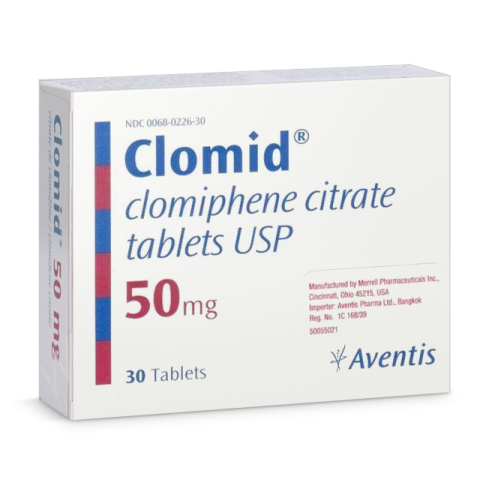
| Medication Brand | Clomid |
|---|---|
| Main Molecule | Clomiphene |
| Conditions Treated | Ovulation disorders related to Female Infertility |
| Dosage Strengths | 50 mg, 100 mg tablets |
| How Long to Take Effect | Typically within 5–10 days after starting the first tablet |
| Length of Action | Single cycle effect; re-dosed with each menstrual cycle if needed |
| Prescription Regulations in Canada | Prescription required by Health Canada guidelines |
| Average Cost in Canada | $70–$120 per cycle, depending on pharmacy and dose |
Clomid for Female Infertility: What Canadian Patients Need to Know
Clomid, containing the active ingredient clomiphene, is a medication used to stimulate ovulation in individuals experiencing infertility due to ovulatory disorders. It is available legally in Canada and is regulated by Health Canada for prescription use. This article addresses the most pressing questions facing Canadians considering Clomid as a treatment option for infertility, guiding you from uncertainty to a clear plan of action.
Infertility in Canada: Understanding the Scope and Solvability
Infertility can feel isolating, but it is a common challenge for many Canadian families. According to the Public Health Agency of Canada, 2013, approximately 16% of couples experience infertility at some point in their reproductive years. The World Health Organization (WHO), 2020, recognizes ovulatory disorders as a leading cause, affecting a significant proportion of those unable to conceive. Advances in reproductive medicine have made successful treatment increasingly attainable, especially for those with ovulation-related infertility. Knowing you are among many, and that established solutions exist, is a first step toward regaining confidence in your reproductive journey.
How Clomid Addresses Female Infertility
Clomid targets the root of many infertility cases: irregular or absent ovulation. It acts by blocking oestrogen receptors in the hypothalamus, the part of your brain responsible for hormonal regulation. This blockade convinces your body that oestrogen levels are low, triggering the release of gonadotropins—hormones that signal your ovaries to mature and release an egg.
- Mechanism: Clomiphene binds to receptors in the brain, stimulating a hormonal cascade that leads to follicle development in the ovaries.
- Result: For patients with ovulation issues, this increases the chance of releasing an egg and, ultimately, achieving pregnancy.
- What to Expect: Most women begin ovulating 5–10 days after completing a Clomid cycle. This can be tracked with ovulation predictor kits or ultrasound monitoring.
In practical terms, this means Clomid helps your body restore a natural process that may have been disrupted, allowing you to try for pregnancy in a more predictable way during your cycle. In clinical studies, ovulation rates of over 70% have been reported for women with certain forms of anovulation (Canadian Fertility and Andrology Society, 2019).
Is Clomid Right for Me? Recognizable Scenarios and the Honest Limits
| Your Situation | Is Clomid Suitable? | Why or Why Not |
|---|---|---|
| No ovulation diagnosed (e.g., PCOS, unexplained irregular cycles), normal uterine and tubal structure, partner’s semen analysis normal | Yes | Clomid is often first-line because it can reliably induce ovulation in many such cases. |
| Irregular ovulation, but prior history of failed Clomid cycles (no ovulation after treatment) | Maybe | Some people need a higher dose or a different medication; further investigation is required. |
| Blocked fallopian tubes, severe endometriosis, or partner’s severe male factor infertility | No | Clomid will not address physical obstructions or male infertility—other interventions are needed. |
| History of hormone-sensitive cancer, liver disease, or unexplained abnormal uterine bleeding | No | Due to specific health risks, alternative approaches are necessary for safety reasons. |
This table illustrates when Clomid is the optimal approach and when it is not. If you recognize yourself in the “maybe” or “no” scenarios, a discussion with your fertility doctor is essential before considering Clomid or any alternative.
How Clomid Fits Into Real Life: Practical Application and Everyday Questions
Clomid is typically started on day 2–5 of your menstrual cycle, taken orally for five consecutive days. It is compatible with food, so you can take it with or without meals. Many clinics in Canada recommend monitoring by ultrasound or hormonal blood tests to optimize timing and reduce the risk of multiple pregnancies.
- If you miss a dose: Take it as soon as you remember on the same day. If you remember the next day, skip the missed tablet and continue as scheduled. Do not double up.
- If ovulation does not occur: Your clinician may suggest increasing the dose in your next cycle or exploring other causes of infertility.
- What is normal: Temporary symptoms like hot flashes or mild bloating are common and usually resolve on their own.
- When to seek attention: Severe pelvic pain, vision changes, or significant swelling require prompt consultation, as these may indicate rare complications like ovarian hyperstimulation.
Patient support is available through many fertility clinics, and pharmacists are able to answer basic questions about Clomid in pharmacy settings. Your prescribing doctor should always be your first point of contact for unexpected symptoms or concerns during your Clomid cycle.
Contraindications: When Clomid Is Not Safe To Use
- Pregnancy: Do not take Clomid if you are already pregnant, as it may harm the fetus.
- Liver dysfunction: Clomiphene is metabolized by the liver; pre-existing liver disease increases risk of toxicity.
- Unexplained vaginal bleeding: This can be a sign of serious underlying issues; Clomid use may mask important symptoms.
- Ovarian cysts unrelated to PCOS: Structural ovarian cysts may be exacerbated by Clomid, leading to complications.
- Hormone-dependent tumours: A history of breast, uterine, or ovarian cancer prohibits Clomid due to hormone stimulation risk.
Every patient should have a full assessment before starting Clomid. The medication is prescribed only after a doctor rules out these contraindications, ensuring safety for each individual case.
Side Effects: What Is Common, What Is Rare, and When To Worry
Most side effects of Clomid are mild and resolve without intervention. The following outlines what to expect:
- Common and usually mild: Hot flashes, mild headaches, breast discomfort, occasional mood changes.
- Occasional and should be discussed with your doctor: Blurred vision, nausea, abdominal discomfort.
- Rare but requires immediate medical care: Severe pelvic pain, rapid weight gain, shortness of breath, or severe swelling—possible signs of ovarian hyperstimulation syndrome (OHSS) or an allergic reaction. If you experience any of these symptoms, call 911 or your local emergency services in Canada immediately.
The majority of patients tolerate Clomid well, but it is important to monitor for changes and report anything that feels unusual or severe, especially early in your treatment course.
Interactions: Other Medications and Substances To Avoid
Clomid does not have broad interactions with most common medications, but certain drugs and supplements can affect its efficacy or safety:
- Gonadotropins: Clomid is sometimes used in combination with injectable hormones, but this should always be under the guidance of a fertility specialist to avoid excessive ovarian stimulation.
- Herbal fertility supplements: Some herbal remedies can alter hormone levels; combining these with Clomid can obscure your response or increase risks.
- Alcohol: While not strictly contraindicated, limiting alcohol is advised during fertility treatment to maximize chances of conception and minimize unpredictable effects.
Always provide a full list of your current medications and supplements to your healthcare provider before starting Clomid. If you are unsure whether a specific combination is safe, consult your pharmacist or prescribing doctor for individualized advice.
Clomid Versus Other Fertility Treatments: Honest Comparisons and Alternatives
| Option | When Preferred | Limitations |
|---|---|---|
| Clomid (Clomiphene) | First-line for ovulation disorders, especially in PCOS with intact tubes and male factor ruled out | Less effective for women with very low ovarian reserve; risk of multiple pregnancy if not monitored |
| Letrozole | Increasingly recommended for PCOS; sometimes preferred when Clomid is ineffective or causes side effects | Shorter track record for fertility use compared to Clomid; availability may vary between provinces |
| Injectable gonadotropins (FSH/LH) | Used if oral agents fail; allows fine-tuned control of ovarian stimulation | Higher cost; requires close monitoring due to higher risk of multiple births and OHSS |
| IVF (In vitro fertilization) | Recommended when other methods fail or for certain tube/male factor infertility | Most invasive; highest cost; not first-line for simple ovulatory issues |
Clomid remains the most affordable and accessible initial treatment for ovulatory infertility in Canada. However, it is not a universal solution. For some, alternatives like letrozole or assisted reproductive technologies may offer higher success rates or be required based on individual factors. Discussing options with a fertility specialist ensures the chosen approach matches your specific diagnosis and circumstances.
Buying Clomid in Canada: Price, Formats, and What to Expect When You Order
Once you and your doctor have decided that Clomid is appropriate, you may be curious about how to purchase Clomid, what it will cost, and what options you have for access in Canada.
- You can buy Clomid at most major pharmacies with a prescription, both brick-and-mortar and online platforms regulated by Health Canada.
- Some Canadians look for Clomid without prescription online, but be aware this is not in line with Health Canada guidelines, and product authenticity may be a concern.
- Ordering Clomid online through licensed Canadian pharmacies is possible and can offer home delivery; always check that the pharmacy is accredited (look for the CIPA seal or check with Health Canada).
- Clomid is available in pharmacy settings as a generic (clomiphene) from several manufacturers, making Clomid cheap or more affordable for many patients compared to branded drugs.
Below is a current cost breakdown based on typical scenarios for Clomid in Canada.
| Expense | Amount (CAD) | Context |
|---|---|---|
| Doctor consultation | $100–$250 | May be covered by provincial health insurance or paid privately |
| Prescription fee (if separate) | $0–$15 | Applicable in some pharmacies; often included |
| Clomid (per cycle, 50–100mg) | $70–$120 | Varies by dose, pharmacy, and whether generic or brand |
| Delivery (online pharmacy) | $10–$25 | Standard Canada Post delivery; express options may cost more |
| Total | $180–$410 | Doctor visit + medication + delivery; with private fees and online order |
For those seeking to buy Clomid cheap, opting for a generic form and comparing pharmacy prices (including Clomid online and Clomid in pharmacy) can help reduce costs. It is not uncommon for Canadians to order Clomid online to save time and access discounted rates, but authenticity and Health Canada accreditation are critical for safety. Always verify the legitimacy of the pharmacy when you purchase Clomid or look for Clomid without prescription offers.
Remaining Questions: Legal Issues, Repeat Use, and Next Steps
Is it legal to buy Clomid without prescription in Canada? Technically, a prescription is required for Clomid under Health Canada regulations. However, some online sources market Clomid without prescription. While this may seem convenient, medications obtained this way may not be subject to the same quality controls, and using them without medical oversight increases safety risks. Always prioritize regulated pathways for your own health and legal protection.
How many cycles of Clomid can I take? Most fertility specialists in Canada recommend no more than 6 cycles in total, as prolonged use does not increase pregnancy rates and may raise health risks. If you have not conceived after 3–6 cycles, your doctor will usually suggest other options or further investigations.
What if I do not ovulate or conceive with Clomid? If you do not respond to Clomid after several cycles, alternative medications or more advanced treatments (such as letrozole, gonadotropin injections, or assisted reproductive technologies) may be appropriate. An individualized plan should always be developed with your fertility team.
For further questions unique to your personal situation, contact a fertility specialist or an accredited Canadian pharmacy. Trustworthy sources for Clomid in Canada will always prioritize your safety and confidentiality.