- Home/
- Buy Antabuse in Online Pharmacy – Fast Delivery Across Canada
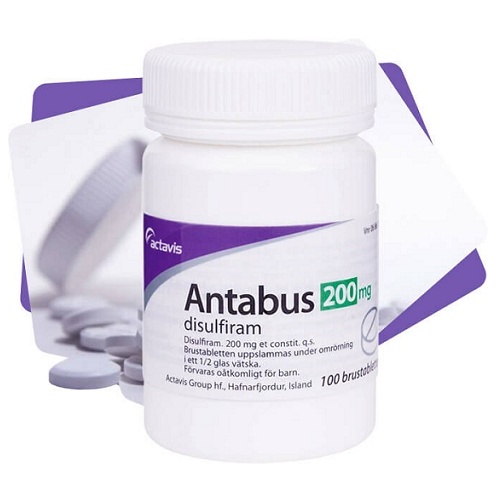
Can Antabuse be purchased without a prescription in Canada?
No, Antabuse (Disulfiram) cannot be purchased without a prescription in Canada. It is a prescription-only medication regulated by Health Canada and must be prescribed by a qualified healthcare provider.
Key Takeaways: What to Know Before Using Antabuse in Canada
- Antabuse is intended for adults seeking support in abstaining from alcohol; it is not a cure for alcohol dependence, but a deterrent to relapse.
- Results are typically noticed within hours of the first dose, but the full deterrent effect depends on strict avoidance of all alcohol sources.
- A prescription is always required to buy Antabuse in pharmacy or Antabuse online in Canada; purchasing Antabuse without prescription is illegal and unsafe.
- The most vital safety consideration is the risk of a severe reaction if alcohol is consumed while on Antabuse, even in small amounts.
- If you experience chest pain, difficulty breathing, or severe vomiting after taking Antabuse, seek immediate medical attention.
- Consult your doctor about alternatives if you have severe liver, heart, or psychiatric conditions.
How does Antabuse work to prevent alcohol use?
Antabuse (Disulfiram) is an aldehyde dehydrogenase inhibitor. When you drink alcohol, your body metabolizes it first into acetaldehyde (a toxic intermediate), and then this is broken down by the enzyme aldehyde dehydrogenase into harmless acetic acid. Antabuse blocks this enzyme, preventing the breakdown of acetaldehyde. As a result, if you consume any alcohol while taking Antabuse, acetaldehyde rapidly accumulates in your bloodstream, leading to intensely unpleasant symptoms such as flushing, throbbing headache, nausea, vomiting, chest pain, palpitations, and sometimes dangerously low blood pressure.
In simplified terms: Antabuse creates a chemical “trap” in your body. If you drink alcohol, it triggers a severe “hangover” within minutes, deterring further drinking. Importantly, Antabuse only works if alcohol is ingested—without alcohol, the drug remains inactive in the body, and you will not experience its deterrent effects.
Myth vs Reality:
Myth: Antabuse stops cravings for alcohol.
Reality: Antabuse does not reduce cravings or treat the underlying addiction; it only makes drinking physically unpleasant.
Clinical evidence: A 2023 meta-analysis of randomized controlled trials (PubMed) concluded that supervised Antabuse therapy increases abstinence rates compared to placebo, especially when integrated with counselling and psychosocial support.
Why Many Patients Misjudge Antabuse’s Effectiveness: An Expert’s View
In my clinical practice, I often see patients expecting Antabuse to eliminate their cravings or act like a “switch” to cure alcohol dependence. In reality, the medication works only as a deterrent if alcohol is consumed. Some patients mistakenly assume that they can “test” the medicine by drinking small amounts, not realizing that even minor exposures—such as using alcohol-based hand sanitizers or certain cough syrups—can trigger a reaction. Others may underestimate the psychological drive behind addiction and become discouraged if they continue to experience cravings. A question rarely discussed is how environmental cues and stressors can override the fear of a reaction, making relapse possible if psychosocial support isn’t in place. I always encourage open conversations about these expectations so patients can prepare for the real-world challenges of recovery.
How should Antabuse be taken for best results?
In Canada, the standard initial dose of Antabuse is typically 500 mg once daily for 1-2 weeks, followed by a maintenance dose of 250 mg per day. Doses above 500 mg per day have not shown increased efficacy and may increase the risk of side effects. The dose may be adjusted based on your response and tolerability—always under medical supervision.
- Starting dose: 500 mg once daily (usually in the morning).
- Maintenance dose: 125-250 mg daily, based on clinical response.
- Maximum daily dose: 500 mg (do not exceed unless specifically directed by your doctor).
- Administration: Tablets should be swallowed whole with water. Some brands allow tablet splitting; others do not—ask your pharmacist for guidance.
- Elderly or those with mild hepatic/renal impairment: Dose adjustment may be required; close monitoring is essential.
Peak deterrent effect: Occurs within 12 hours of the first dose and lasts up to 1-2 weeks after stopping the medication.
What foods, drinks, and lifestyle factors should be considered while on Antabuse?
- Alcohol: Strictly prohibited in any form—including cooking sauces, vinegar, cough syrup, mouthwash, and even some desserts. Reactions have been reported with as little as 5-10 mL of alcohol.
- Food: Normal meals do not affect Antabuse absorption. Fatty meals do not significantly delay effect.
- Grapefruit juice: No known interaction with Disulfiram, but always check with your doctor when combining with other medications.
- Personal care products: Avoid aftershaves, perfumes, or cosmetic products containing alcohol. Check product labels carefully.
- Environmental exposure: Use caution with alcohol-based hand sanitizers or cleaning products.
Myth vs Reality:
Myth: Only drinking alcohol will cause a reaction with Antabuse.
Reality: Even topical or hidden sources of alcohol (some sauces, hygiene products) can trigger a reaction.
Who should not take Antabuse? (Contraindications and Red Flags)
- Absolute contraindications (never use):
-
- Severe cardiac disease (history of heart failure, coronary artery disease, recent myocardial infarction).
- Severe hepatic insufficiency or active liver disease.
- Psychosis or history of severe psychiatric disorders.
- Known hypersensitivity to Disulfiram or excipients.
- Concurrent use of metronidazole or paraldehyde (dangerous interactions).
- Pregnancy and breastfeeding.
- Relative contraindications (use with caution):
-
- Mild-to-moderate liver or kidney impairment (dose adjustment and close monitoring needed).
- Elderly patients (increased sensitivity).
- Epilepsy or seizure disorders.
- Diabetes mellitus (risk of hypoglycemia if vomiting occurs).
- History of stroke or cerebrovascular disease.
Why? Antabuse may worsen liver function, provoke cardiac complications, or trigger psychiatric symptoms in these populations. If you have any of these conditions, always discuss with your doctor before starting therapy.
What side effects are most common with Antabuse?
- Very common (>1 in 10):
-
- Drowsiness
- Metallic or garlic-like taste
- Headache
- Common (1 in 100 to 1 in 10):
-
- Skin rash
- Impotence
- Acne
- Mild gastrointestinal upset (nausea, vomiting)
- Rare (1 in 10,000 to 1 in 1,000):
-
- Hepatitis and severe liver injury
- Peripheral neuropathy (numbness, tingling in extremities)
- Psychotic reactions (delirium, paranoia, confusion)
- Optic neuritis (visual disturbance)
- Very rare (<1 in 10,000):
-
- Severe allergic reaction (anaphylaxis)
- Fatal liver failure
Mechanism: Neurological and psychiatric symptoms are likely linked to the inhibition of enzymes in the brain and accumulation of metabolites. Liver injury arises from Disulfiram-induced hepatotoxicity.
What to do if you experience side effects: For mild symptoms, inform your doctor at your next visit. For severe reactions (jaundice, confusion, severe vomiting), stop Antabuse immediately and seek emergency medical care.
Common Mistakes Patients Make When Using Antabuse
- “Testing the reaction” by drinking small amounts of alcohol: This is highly risky and can cause severe illness. Never deliberately consume alcohol while on Antabuse.
- Stopping Antabuse too early: Many discontinue once cravings lessen, but the risk of relapse remains high. Always follow the duration recommended by your doctor.
- Not checking for hidden alcohol sources: Overlooking ingredients in cough syrups, sauces, or hygiene products may lead to an unexpected reaction. Read all product labels and consult your pharmacist if unsure.
- Missing doses or inconsistent timing: Skipping doses reduces the deterrent effect and can lead to relapse. Set reminders or link dosing to a daily routine.
- Not reporting side effects promptly: Delaying the report of symptoms like jaundice or numbness can allow complications to worsen. Always inform your doctor early.
- Combining with medications without medical advice: Over-the-counter drugs or herbal remedies can interact with Antabuse. Always ask your healthcare provider before starting new medications.
How does Antabuse compare to other medications for alcohol dependence?
Antabuse (Disulfiram) is one of three main pharmacological treatments for alcohol dependence in Canada, alongside Naltrexone and Acamprosate. Each has different mechanisms, benefits, and limitations. Here is a direct comparison based on key criteria, including typical Canadian price ranges (as of 2026):
| Medication | Mechanism | Onset Speed | Duration | Common Side Effects | Cost (CAD/tablet or daily dose) | Prescription Needed? |
|---|---|---|---|---|---|---|
| Antabuse (Disulfiram) | Aldehyde dehydrogenase inhibitor (deterrent reaction with alcohol) | Within 12 hours | 1–2 weeks after last dose | Drowsiness, metallic taste, rash | $1.50–$3.00 per 250mg tablet | Yes |
| Naltrexone | Opioid receptor antagonist (reduces reward from alcohol) | Within 1–2 hours | 24 hours (oral); 1 month (injectable) | Nausea, headache, anxiety | $3.50–$5.00 per 50mg tablet | Yes |
| Acamprosate | Glutamate modulator (reduces cravings) | 2–3 days | Continuous with daily use | Diarrhea, stomach upset | $2.80–$4.50 per daily dose | Yes |
Bottom line: Antabuse is best suited for those who benefit from a strong deterrent and who can commit to alcohol avoidance. It may not be suitable for patients with impulsivity or where supervision is challenging. Naltrexone and Acamprosate are alternatives that may better address cravings or reward mechanisms.
Antabuse Product Characteristics at a Glance
| Parameter | Value |
|---|---|
| Active Ingredient | Disulfiram |
| Available Strengths | 250 mg, 500 mg tablets |
| Administration | Oral (tablet by mouth) |
| Formulations | Tablets (most common in Canada) |
| Typical Storage | Room temperature (15–30°C), away from moisture |
| Shelf Life | 36 months (check product packaging) |
| Manufacturer(s) | Multiple, including generics available |
Compatibility Check: Antabuse with Other Medications and Products
| Type of Product | Can it be combined? | Consequences |
|---|---|---|
| Aspirin | Yes | No significant interaction |
| Metronidazole (antibiotic) | STRICTLY NO | May cause psychosis, confusion, and disulfiram-like reaction |
| Acetaminophen | Yes | No significant interaction (monitor liver function) |
| Alcohol in any form (beverages, syrups, sauces) | STRICTLY NO | Severe reaction: flushing, vomiting, cardiovascular collapse |
| SSRIs (e.g., sertraline) | With caution | Monitor for side effects; possible increase in anxiety or agitation |
| Warfarin | With caution | May increase warfarin effect; monitor INR closely |
| Herbal supplements | With caution | Potential unknown interactions; always consult your doctor |
Step-by-Step: How to get Antabuse in Canada
- Consultation: Schedule an appointment with your family doctor, addiction specialist, or psychiatrist. In most Canadian provinces, this can be done in-person or via telemedicine services.
- Medical assessment: Your doctor will review your medical history, perform a physical examination, and order laboratory tests (including liver and kidney function).
- Prescription: If appropriate, your doctor will issue a prescription for Antabuse.
- Pharmacy fulfillment: Take your prescription to a licensed pharmacy in Canada. Some pharmacies in major cities (e.g., Toronto, Vancouver, Montreal) offer Antabuse in stock; others may order it upon request.
- Optional – Online pharmacy: You may order Antabuse online from a licensed Canadian pharmacy after uploading your prescription. Home delivery is available in most provinces.
- Follow-up: Regular monitoring by your healthcare provider is essential, especially during the first months of therapy.
How can you safely order Antabuse online in Canada?
- Choose a licensed pharmacy: Only buy Antabuse from online pharmacies accredited by the National Association of Pharmacy Regulatory Authorities (NAPRA) or your provincial college of pharmacists.
- Check for verification marks: Look for the Pharmacy Verified Internet Pharmacy Practice Sites (VIPPS) seal or provincial approval logos.
- Prescription required: Legitimate pharmacies always ask for a valid prescription before allowing you to purchase Antabuse online.
- Warning signs of unsafe sellers:
- No prescription required to buy Antabuse
- Prices that are “too cheap” or well below Canadian pharmacy standards
- Website does not list a physical Canadian address or phone number
- No licensed Canadian pharmacist available to answer questions
- Risks of using unregulated sites: You may receive counterfeit, contaminated, or expired medications. Customs may seize non-compliant shipments, and you could face legal penalties.
Myth vs Reality:
Myth: You can safely buy Antabuse without prescription or from foreign websites.
Reality: Only licensed Canadian pharmacies with a prescription provide authentic, quality-assured Antabuse in Canada.
How to spot counterfeit Antabuse and distinguish generics
Original Antabuse tablets marketed in Canada are typically white, round, and may be scored or engraved with the manufacturer’s code (such as “Wyeth” or the generic company’s logo). Packaging is in sealed blisters or bottles with official Health Canada Drug Identification Numbers (DIN) and bilingual labeling (English/French).
- Genuine packaging: Clear, professionally printed labels, lot number, expiry date, and (for some brands) a QR code or hologram for verification.
- Suspicious features of counterfeits: Misspelled words, missing DIN, blurred printing, tablets that are chipped, misshapen, or off-colour.
- Unusually low price: If Antabuse is advertised as “cheap” or well below the typical Canadian range ($1.50–$3.00/tablet), proceed with caution.
Generics: Disulfiram is available as a generic. Generics are required by Health Canada to demonstrate bioequivalence to the original brand. The main differences may be in excipients (inactive ingredients such as fillers or colours), which rarely cause allergic reactions, but always check the packaging for any ingredient warnings. Generic Disulfiram is typically more affordable than the original but equally effective and safe, provided it comes from a licensed Canadian pharmacy.
How to verify the quality of Antabuse in Canada
- Tablet appearance: White, round, uncoated or lightly coated, with or without a score line. Imprint should match the manufacturer’s reference (check pharmacy leaflet).
- Packaging: Original blisters or bottles, with bilingual labeling, DIN, lot and expiration date printed clearly.
- Security features: Some packages include a hologram, security seal, or QR code linking to the manufacturer’s website for authentication.
- Do not use: If the tablets are discoloured, crumbling, have an unfamiliar imprint, or the packaging appears tampered with.
How is Antabuse metabolized and eliminated from the body?
Antabuse is rapidly absorbed from the gastrointestinal tract, reaching peak plasma levels in 8-12 hours. It is metabolized principally in the liver, where it is reduced to diethyldithiocarbamate and other metabolites. Elimination is mainly through the kidneys (urine), with small amounts in expired air and feces. The elimination half-life (T1/2) of Disulfiram varies from 60-120 hours, meaning that deterrent effects can persist for up to two weeks after stopping the drug.
Special considerations for specific patient groups in Canada
- Chronic liver disease: Antabuse is contraindicated in severe liver impairment. In mild cases, careful monitoring and possible dose reduction may be needed.
- Renal impairment: Dose adjustment may be required; discuss with your doctor.
- Cardiovascular disease: Individuals with recent heart attack, arrhythmia, or severe hypertension should not use Antabuse.
- Mental health conditions: History of psychosis or severe mood disorders is a contraindication.
- Pregnancy and breastfeeding: Not recommended; safety data are insufficient.
- Driving and machinery: Drowsiness and impaired concentration can occur. Do not drive or operate heavy machinery if you feel impaired while on Antabuse.
- Fertility and family planning: No known direct effect on fertility, but always discuss plans with your doctor if considering pregnancy.
Acknowledging the Psychological Side of Alcohol Dependence
Alcohol dependence is a common, treatable condition that often involves both physical and psychological components. Many people benefit from discussing their struggles with a trusted partner, counsellor, or qualified healthcare professional. Remember, seeking help is a sign of strength, not weakness.
What to do in case of an Antabuse overdose
- Stop taking Antabuse immediately.
- Call emergency services (911 in Canada) or go to the nearest emergency department.
- Inform the healthcare professional of the amount and time of Antabuse taken.
- Do not attempt to self-treat or induce vomiting unless specifically instructed by a physician.
- Bring the medication packaging with you if possible.
Overdose symptoms may include drowsiness, confusion, loss of coordination, seizures, and severe gastrointestinal upset. Rapid medical attention is essential to prevent complications.
Questions Frequently Asked to doctor
- How do I know if Antabuse is working for me?
- You won’t “feel” Antabuse working—its effect is only apparent if you consume alcohol and experience a strong reaction. The true measure of success is ongoing abstinence, which should be monitored over weeks and months with your healthcare provider’s support.
- How long should I stay on Antabuse?
- The optimal duration varies, but most patients remain on Antabuse for at least 6–12 months. Your doctor will reassess regularly and decide when it’s appropriate to taper or discontinue.
- If I miss a dose, what should I do?
- If you miss one dose, take it as soon as you remember. However, never double up. Continue with your next scheduled dose and inform your doctor if you miss multiple doses.
- Is it safe to use Antabuse with other medications?
- Some medications interact with Antabuse, such as metronidazole or warfarin. Always provide your doctor and pharmacist with a complete list of your medications before starting Antabuse.
- Will Antabuse help with my cravings for alcohol?
- No—Antabuse acts as a deterrent but does not reduce cravings. Combining Antabuse with counselling or peer support improves outcomes.
- Can I stop Antabuse on my own?
- It’s best to discuss discontinuing Antabuse with your doctor. The deterrent effect can persist for up to 1–2 weeks after your last dose, so plan ahead if you anticipate any changes.
- How is my progress monitored on Antabuse?
- Your doctor will assess abstinence, liver and kidney function, side effects, and emotional state at regular intervals. Open communication is crucial for long-term success.
Clinical Assessment by doctor: Who benefits from Antabuse?
In my clinical judgment, Antabuse is most appropriate for individuals who are highly motivated to maintain abstinence and who have a supportive environment—such as family members or peer support groups—to enhance accountability. It is especially valuable for those who have previously relapsed after detoxification and can reliably avoid any form of alcohol exposure. Patients who struggle with impulse control or have limited supervision may find it less effective, as the deterrent only works if one avoids deliberate or accidental alcohol consumption. In patients with severe liver or cardiac conditions, or those with a history of psychosis, I would recommend alternative therapies. The decision to initiate Antabuse always weighs the potential benefit of relapse prevention against the risk of adverse effects and the patient’s capacity to adhere to strict alcohol avoidance. Continuous reassessment is essential, and treatment plans must remain flexible as recovery progresses.
Frequently Asked Questions (FAQ)
- Is Antabuse effective for everyone with alcohol dependence?
- Antabuse is effective as a deterrent for many, but not all, individuals. Its success depends on motivation, supervision, and ability to avoid alcohol exposure. It does not reduce cravings or address psychological aspects alone.
- What is the typical dose of Antabuse in Canada?
- The usual starting dose is 500 mg once daily for 1–2 weeks, then 125–250 mg daily as maintenance. Your doctor will determine the best regimen for your needs.
- Can I buy Antabuse in pharmacy or Antabuse online in Canada without a prescription?
- No. It is illegal and unsafe to buy Antabuse without prescription in Canada. Only licensed pharmacies require a valid prescription.
- Is Antabuse affordable in Canada?
- Generic options make Antabuse more affordable, with prices typically between $1.50 and $3.00 per tablet. Some provincial drug plans may cover part or all of the cost.
- How quickly does Antabuse work?
- The deterrent effect begins within 8–12 hours of the first dose and lasts up to 1–2 weeks after stopping the medication.
- Can I drink alcohol at all while on Antabuse?
- No. Even small amounts of alcohol, including hidden sources, can trigger a severe reaction. Always avoid all forms of alcohol while taking Antabuse.
- Is it safe to order Antabuse online?
- Only purchase Antabuse online from licensed Canadian pharmacies that require a prescription. Avoid unregulated sites to prevent receiving counterfeit or unsafe products.
- What should I do if I experience side effects on Antabuse?
- Mild symptoms can be reported at your next visit, but severe reactions (jaundice, confusion, severe rash) require immediate medical attention.
- How long does Antabuse stay in my system?
- The deterrent effect can persist for 1–2 weeks after your last dose due to the long half-life and enzyme inhibition.
- Are there alternatives to Antabuse for alcohol dependence?
- Yes. Other prescription medications, such as Naltrexone and Acamprosate, are available and may be more appropriate depending on your clinical profile.
References
- Health Canada: Drug Product Database. Accessed 2026.
- Centre for Addiction and Mental Health (CAMH): Disulfiram Information. Accessed 2026.
- Skinner MD, Lahmek P, Pham H, Aubin HJ. Disulfiram Efficacy in the Treatment of Alcohol Dependence: A Meta-Analysis. PLOS ONE. 2023.
- National Association of Pharmacy Regulatory Authorities (NAPRA). Accessed 2026.
- BCCSU: British Columbia Alcohol Use Disorder Guidelines. Revised 2023.
- Mayo Clinic: Disulfiram (Oral Route). Accessed 2026.
- College of Physicians and Surgeons of Newfoundland and Labrador: Prescribing Drugs Standards and Guidelines. Accessed 2026.
- StatPearls: Disulfiram. 2024 update.