- Home/
- Buy Propecia at Low Price in Canada – Affordable Hair Loss Solution
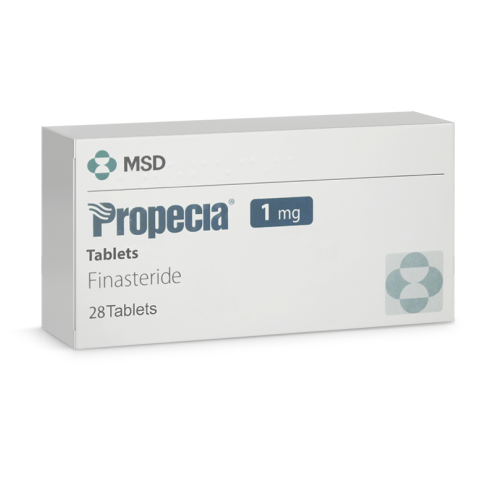
Can I buy Propecia without a prescription in Canada?
In Canada, Propecia (finasteride) is a prescription-only medication. It cannot be purchased legally without a valid prescription from a licensed healthcare provider. Obtaining Propecia without prescription from unregulated sources is both unsafe and illegal.
Key Takeaways: What Every Patient in Canada Should Know About Propecia
- Propecia is approved in Canada for male pattern hair loss but requires a prescription from a licensed doctor.
- Most men experience visible improvement in hair loss after 3–6 months of consistent daily use.
- Women and children must not use Propecia; it can cause birth defects and other serious adverse effects.
- Propecia is generally well-tolerated, but some users may experience sexual side effects or mood changes; speak to your doctor if these occur.
- Never buy Propecia online or in pharmacy in Canada without prescription—counterfeit and unsafe products are a real risk.
- If you have a history of liver disease or prostate problems, discuss this with your healthcare provider before starting finasteride.
How Does Propecia (Finasteride) Work to Treat Hair Loss?
Propecia contains finasteride, a type II 5-alpha-reductase inhibitor. This enzyme converts testosterone into dihydrotestosterone (DHT), a hormone that causes hair follicles to shrink and eventually stop producing hair in men genetically susceptible to male pattern baldness (androgenetic alopecia).
By blocking this enzyme, finasteride reduces DHT levels in the scalp by up to 60–70% within 24 hours of the first dose. This decrease in DHT slows hair follicle miniaturization, allowing existing follicles to recover and continue producing stronger, thicker hair.
In simple terms, Propecia acts like a shield, preventing the hormone responsible for male pattern baldness from attacking hair follicles. The drug works continuously as long as it is taken; stopping treatment will gradually reverse its effects.
Finasteride does not stimulate the growth of new hair in completely bald areas. Instead, it helps preserve and potentially thicken existing hair, especially at the crown and mid-scalp region.
Myth vs Reality:
Myth: Propecia works instantly or regenerates hair in completely bald areas.
Reality: Propecia requires daily use for several months and primarily preserves existing hair, with new growth most likely in areas where follicles are still active.
References: 2023 systematic review, Health Canada, Manufacturer (Merck Canada)
Expert Commentary: Expectations vs. Reality in Propecia Therapy
One of the most common misconceptions I encounter is that patients expect dramatic hair regrowth within weeks of starting Propecia. In reality, most men will need to wait at least three months to notice even subtle changes, and full results may take up to a year. Many patients also use their own photos or subjective impressions rather than objective measures, leading to frustration or premature discontinuation. It’s important for patients to understand that the main goal is to slow or halt hair loss, not necessarily to reverse baldness. I advise patients to track progress with standardized photos and remain patient, as discontinuing too soon is a leading cause of perceived “failure.” Rarely do patients ask about long-term expectations or what happens if the drug is stopped—this is where in-depth discussion can help set realistic goals and avoid disappointment.
How Should You Take Propecia? Dosage, Timing, and Course Length
The standard dose for treating male pattern hair loss in Canada is 1 mg of finasteride, taken once daily, with or without food. Consistency is key—take your tablet at approximately the same time each day.
- Do not exceed 1 mg daily. Higher doses have not shown increased efficacy for hair loss and may increase the risk of side effects.
- Propecia tablets should be swallowed whole; do not split or crush the tablet, as the active ingredient can be absorbed through the skin and is hazardous to women and children.
- If you miss a dose, do not double up—resume your usual schedule as soon as possible.
- Peak effect: Steady-state DHT reduction occurs after 1–2 weeks, but visible results typically appear after 3–6 months of continuous use.
- Duration of action: Each dose reduces DHT for roughly 24 hours; stopping the drug for more than a few days can compromise effectiveness.
Special Populations: Propecia is not recommended for use in women or children. Patients with mild-to-moderate liver impairment should consult a specialist for risk assessment. No adjustment is typically required for mild renal impairment, but always consult your doctor.
Bottom line: For optimal results, take Propecia exactly as prescribed, every day, and monitor progress over at least six months before assessing effectiveness.
Does Food, Alcohol, or Lifestyle Affect Propecia’s Absorption or Efficacy?
Propecia may be taken with or without food. Food does not significantly affect the absorption or effect of finasteride, according to clinical studies.
Alcohol: Moderate alcohol consumption does not appear to interact with Propecia. However, excessive drinking may negatively impact liver function, which is important since finasteride is metabolized in the liver.
Grapefruit juice: No clinically significant interaction between grapefruit juice and Propecia has been reported.
Lifestyle: Smoking and diet have no known direct impact on Propecia’s effectiveness, but healthy habits may support better hair health overall.
Compatibility Check Table:
| Product | Can it be combined? | Potential consequences |
|---|---|---|
| Alcohol (moderate) | Yes | No direct interaction |
| Grapefruit juice | Yes | No known interaction |
| High-fat meal | Yes | No significant effect |
| Minoxidil lotion | Yes | May enhance efficacy |
| Warfarin | Use with caution | Monitor for interactions |
| St. John’s Wort | Use with caution | May affect metabolism |
Who Should Never Take Propecia? Absolute and Relative Contraindications Explained
Absolute contraindications:
- Women (especially those who are or may become pregnant): Exposure to finasteride can cause birth defects in male fetuses. Women must not handle crushed or broken tablets.
- Children and adolescents: Safety and effectiveness have not been established in this group.
- Known hypersensitivity to finasteride or any component of the formulation.
Relative contraindications (use only with caution and medical supervision):
- History of liver disease or abnormal liver function tests, as finasteride is metabolized in the liver and may worsen hepatic impairment.
- Men with a known or suspected diagnosis of prostate cancer: Propecia can lower PSA (prostate-specific antigen) levels, potentially masking early detection of prostate cancer.
- Concurrent use of other 5-alpha-reductase inhibitors.
How long after major illness? For patients recovering from acute liver conditions or major surgeries, Propecia should only be considered after full recovery and with specialist input.
Why? Propecia can interfere with hormonal testing for prostate cancer and may worsen preexisting liver conditions due to its metabolic pathway.
What Side Effects Are Most Common With Propecia? Risk Categories and What to Do
Like all prescription medications, Propecia may cause side effects. In clinical studies, most effects are mild and reversible upon discontinuation.
- Very Common (>1 in 10):
- No very common side effects have been reported at the 1 mg dose.
- Common (1 in 100 to 1 in 10):
-
- Decreased libido (1.8–3.8%)
- Erectile dysfunction (1–2%)
- Decreased volume of ejaculate
- Uncommon to Rare (1 in 1,000 or less):
-
- Breast tenderness or enlargement (gynecomastia)
- Testicular pain
- Rash or hypersensitivity reactions
- Depression or mood changes
- Allergic reactions (swelling, hives)
- Very Rare (<1 in 10,000):
-
- Persistent sexual dysfunction after stopping medication (so-called “post-finasteride syndrome”; evidence is inconclusive and under investigation)
- Male breast cancer (extremely rare; causality not established)
What to do if you experience side effects? For mild symptoms, discuss with your doctor; most resolve after stopping the drug. For severe or allergic reactions (trouble breathing, swelling), seek immediate medical help. If you notice lumps, pain, or discharge from your nipples, contact your doctor urgently.
Note: Always report any unusual or persistent side effects through Health Canada’s reporting system or to your healthcare provider.
Common Pitfalls: Mistakes Patients Make When Using Propecia
- Stopping Propecia too soon: Many men discontinue after 2–3 months if they don’t see immediate improvement, but the full effect can take 6–12 months. Premature discontinuation negates potential benefits.
- Missing doses frequently: Inconsistent use reduces DHT suppression, undermining effectiveness. Set daily reminders or use a pill organizer.
- Splitting or crushing tablets: This exposes the active ingredient to unintended users, especially hazardous for women and children, and can affect dosing accuracy.
- Buying Propecia online or in pharmacy in Canada without prescription: This increases the risk of receiving counterfeit or unsafe products, which may not contain active finasteride or could cause harm.
- Ignoring medical follow-up: Failing to check in with your doctor means you may miss early signs of side effects, drug interactions, or other health issues that require prompt attention.
- Using Propecia in combination with other hair loss treatments without medical advice: Not all treatments are compatible—always confirm with your prescriber.
Propecia vs. Alternatives: How Does It Compare?
| Product | Active Ingredient | Onset of Effect | Side Effects | Cost per Month (CAD) | Prescription Needed? |
|---|---|---|---|---|---|
| Propecia | Finasteride 1mg | 3-6 months | Sexual dysfunction (1-3%), mood changes | $70–$110 (brand); $25–$45 (generic) | Yes |
| Minoxidil (topical) | Minoxidil 2%-5% | 2–4 months | Scalp irritation, shedding (initially) | $30–$60 | No |
| Dutasteride (off-label) | Dutasteride 0.5mg | 3–6 months | Sexual dysfunction, breast changes | $90–$120 | Yes |
| Hair transplant | N/A (procedure) | Immediate (surgical); full results 6–12 months | Surgical risks, cost, downtime | $6,000–$15,000 (one-time) | Consultation required |
Summary: Propecia is the only oral prescription medication specifically approved for male pattern hair loss in Canada. Minoxidil is a non-prescription topical option. Hair transplants and other therapies may be considered for those not responding to medication.
Note: Prices are approximate as of 2026 and may vary by province and pharmacy. Always consult a healthcare provider before starting any hair loss treatment.
Pharmacokinetics of Propecia: How Is It Processed by the Body?
Absorption: Finasteride is rapidly absorbed after oral administration. Peak plasma concentrations are reached within 1–2 hours.
Distribution: About 90% is bound to plasma proteins. It crosses the blood-brain barrier but does not significantly enter semen.
Metabolism: Propecia is extensively metabolized in the liver, primarily by the CYP3A4 enzyme system.
Elimination: Metabolites are excreted mainly via urine (39%) and feces (57%).
Half-life: The average elimination half-life is 6–8 hours in adults (extended up to 8 hours in elderly patients).
Clinical implication: Patients with impaired liver function should use Propecia with caution, as the drug may accumulate.
Special Patient Groups: Who Needs Extra Caution?
- Men with liver impairment: May require more frequent monitoring; consult a hepatologist before starting.
- Older adults (>70): No dose adjustment is usually necessary, but side effect risk may be higher.
- Men trying to conceive: Propecia may reduce semen volume and, in rare cases, sperm count. Evidence does not show major effects on fertility, but discuss concerns with a fertility specialist.
- Those with prostate cancer risk: Propecia lowers PSA levels by about 50%, which may mask early detection; always inform your doctor if you require PSA testing.
- Operating machinery: Propecia does not impair mental alertness or ability to drive, but any new neurological symptoms should be reported.
Canada-Specific Guide: How to Buy, Order, or Purchase Propecia Safely in Canada
- Step 1: Book a Consultation. Schedule an appointment with a qualified healthcare provider in Canada—this may be a family doctor, dermatologist, or telehealth physician.
- Step 2: Evaluation and Diagnosis. The doctor will assess your medical history, conduct a scalp exam, and rule out other causes of hair loss.
- Step 3: Obtain a Prescription. If appropriate, your doctor will issue a prescription for Propecia. Some telemedicine services in Canada may also prescribe Propecia after a virtual consultation.
- Step 4: Fulfill Your Prescription. Take your prescription to a licensed pharmacy—either local or an accredited online pharmacy in Canada. Propecia in pharmacy may be available as a brand or a generic equivalent.
- Step 5: Begin Treatment and Schedule Follow-Up. Start your medication as instructed and arrange regular follow-ups to monitor effectiveness and side effects.
Important: Always ensure you are buying Propecia from a legitimate source. Beware of online offers for Propecia without prescription, as these may be illegal or counterfeit.
How to Recognize a Trusted Online Pharmacy in Canada
To buy Propecia online safely in Canada, use only licensed pharmacies accredited by the National Association of Pharmacy Regulatory Authorities (NAPRA) or your provincial regulatory authority.
- Check for pharmacy license numbers and regulatory seals (e.g., the “.pharmacy” domain).
- Legitimate online pharmacies will always require a valid prescription for Propecia; they will not offer Propecia without prescription.
- Unregulated sites may advertise “Propecia cheap,” “no prescription needed,” or offer international shipping without Health Canada approval—these are red flags for counterfeit or unsafe drugs.
- Review the Health Canada advisory list for known illegal sellers.
Buying from an unverified seller may put your health at risk and can result in the seizure of your order at Canadian customs.
How Can You Tell If Your Propecia Is Genuine or a Counterfeit?
- Original Propecia packaging is a silver blister pack, with each tablet marked “PROPECIA 1 mg” in raised letters and a unique batch number. Boxes should display the manufacturer’s logo (Merck) and a Health Canada Drug Identification Number (DIN).
- Canadian packaging may include bilingual labels (English and French), security holograms, and a tamper-evident seal. Some manufacturers include QR codes for verification.
- Counterfeit warning signs: tablets of unusual colour or shape, poor-quality printing, missing batch or DIN numbers, or an unusually low price (“Propecia cheap” offers may indicate fakes).
- If your Propecia was not dispensed from a Canadian-licensed pharmacy, its authenticity cannot be guaranteed.
Generics: Generic finasteride is made to the same standards as Propecia but may look different (shape, colour, imprint). Generics must also have a Health Canada DIN and be dispensed only by prescription in pharmacy in Canada.
Quality Check: Always compare your product to images on the manufacturer’s or Health Canada’s website. If in doubt, consult your pharmacist.
Original vs. Generic Propecia: What’s the Difference?
- Generic finasteride contains the same active ingredient as Propecia and is proven to be equally effective and safe when approved by Health Canada.
- Generics may contain different inactive ingredients (excipients), which rarely but possibly can cause allergic reactions in sensitive individuals.
- Generics are typically 40–60% less expensive than branded Propecia in Canada, making them an affordable option for most patients.
- Both forms require a valid prescription and are dispensed by licensed pharmacies only.
Bottom line: Patients can purchase Propecia or generic finasteride in pharmacy in Canada with confidence, provided the product has a Health Canada DIN and is dispensed by a legitimate pharmacist.
What Should You Do If You Take Too Much Propecia? (Overdose Action Algorithm)
- Stop taking Propecia immediately.
- Call emergency services in Canada (911) or contact your local poison control centre.
- Inform healthcare professionals about the exact dose and time of ingestion.
- Do not attempt to induce vomiting unless advised by a medical professional.
- Keep the medication package for reference in case of adverse reactions.
No specific antidote exists; treatment is supportive.
Psychological Support: Living with Hair Loss
Male pattern hair loss is very common, and seeking help is not a sign of weakness. Confidence can improve with effective therapy, but emotional support is also important. Many men find it helpful to talk about their experiences with a partner, support group, or mental health professional.
Reference Table: Propecia Technical Characteristics
| Parameter | Value |
|---|---|
| Active Ingredient | Finasteride 1 mg |
| Formulation | Film-coated tablet |
| Pack Sizes Available | 28, 30, 90 tablets |
| Colour & Shape | Light brown, round, marked “PROPECIA 1 mg” |
| Storage | Room temperature (15–30°C), dry place |
| DIN (Canada) | Varies by manufacturer (check packaging) |
| Manufacturer (Brand) | Merck Canada Inc. |
| Generic Options | Yes; multiple Health Canada-approved brands |
Questions Patients Often Ask doctor About Propecia Therapy
- How can I tell if Propecia is working for me?
- Most patients see a reduction in hair shedding within three to six months. New hair growth is less common than stabilization of hair loss. I recommend taking standardized photos every month to objectively track changes.
- Will I lose all the hair I gained if I stop taking Propecia?
- Yes, discontinuation usually leads to a gradual return to the original pattern of hair loss within 6–12 months. Consistent use is necessary to maintain benefits.
- Can Propecia cause permanent sexual side effects?
- Persistent side effects are rare, but some men report continued symptoms after stopping the drug. Large reviews suggest the vast majority of side effects resolve upon discontinuation, but I always encourage discussing any concerns with your doctor.
- Is it safe to combine Propecia with other hair loss treatments like minoxidil?
- Yes, these medications target different pathways and can be used together safely. In fact, some studies show improved results with combination therapy.
- Do I need routine blood tests while on Propecia?
- Routine bloodwork is not required in healthy individuals, but men at risk for prostate disease or with liver impairment may need monitoring. Always inform your doctor if you are having a PSA test for prostate cancer screening.
- Will Propecia affect my fertility or ability to have children?
- Most evidence suggests little effect on fertility. Some men experience reduced semen volume; in rare cases, sperm count may decrease. If you are trying to conceive, it’s reasonable to discuss options with a fertility specialist.
Professional Clinical Assessment: Who Is Most Likely to Benefit from Propecia?
As a physician specializing in hair loss, my clinical experience suggests that Propecia is most beneficial for men in the early stages of androgenetic alopecia, particularly those with thinning at the crown and mid-scalp rather than complete baldness at the front hairline. Men who begin treatment soon after noticeable hair loss tend to achieve the best results, with stabilization and some regrowth in many cases. Those with advanced hair loss or total baldness are less likely to see meaningful improvement, and alternatives such as hair transplantation may be more appropriate. Patients with a strong family history of prostate cancer or significant liver issues require individualized risk assessment, and I may recommend against Propecia in these cases. Ultimately, the key benefit-risk consideration is balancing realistic expectations—understanding that Propecia is a tool to slow progression, not a cure. Periodic reassessment and open dialogue with your healthcare provider are essential for safe and effective long-term therapy.
FAQ: Quick Answers About Propecia for Canadians
- Is Propecia effective for all types of hair loss?
- No, Propecia is only proven for male pattern (androgenetic) hair loss. It is not effective for conditions like alopecia areata or hair loss due to nutritional deficiencies.
- Can I order Propecia online from a pharmacy in Canada?
- Yes, you may order Propecia online in Canada from licensed online pharmacies, but a valid prescription is always required. Never use websites offering Propecia without prescription.
- How much does Propecia cost in Canada?
- Brand Propecia costs between $70–$110 per month; generic finasteride is more affordable, typically $25–$45 per month, depending on the pharmacy and province.
- Can women use Propecia for hair loss?
- No. Propecia is not approved for women and may cause serious birth defects if used or handled during pregnancy.
- What is the difference between Propecia and finasteride?
- Propecia is the brand name for finasteride 1 mg. Generic finasteride contains the same active ingredient and is considered equally effective by Health Canada.
- Do I need a prescription to buy Propecia in pharmacy in Canada?
- Yes, Propecia is a prescription-only medication in Canada. Buying Propecia without prescription online or in person is illegal and unsafe.
- What should I do if I miss a dose?
- Take the next dose as scheduled; do not double up. Missing occasional doses is unlikely to affect results, but regular use is best.
- Are there affordable ways to purchase Propecia or finasteride?
- Yes, generic versions are widely available and significantly cheaper than the brand name. Always buy from a licensed Canadian pharmacy with a prescription.
References
- Health Canada. Drug Product Database. Accessed June 2026. https://www.canada.ca/en/health-canada/services/drugs-health-products/drug-products.html
- Canadian Dermatology Association. Androgenetic Alopecia Guidelines. Accessed June 2026. https://dermatology.ca/public-patients/hair/androgenetic-alopecia/
- Merck Canada. Propecia Product Monograph. Accessed June 2026. https://www.merck.ca/en/propecia/
- PubMed. Finasteride for Male Pattern Hair Loss: Updated Evidence 2023. https://pubmed.ncbi.nlm.nih.gov/36609974/
- National Association of Pharmacy Regulatory Authorities (NAPRA). Pharmacy Verification. https://www.napra.ca/
- Mayo Clinic. Finasteride (Oral Route). Accessed June 2026. https://www.mayoclinic.org/drugs-supplements/finasteride-oral-route/description/drg-20064080