- Home/
- Buy Nolvadex at Low Price Online in Canada
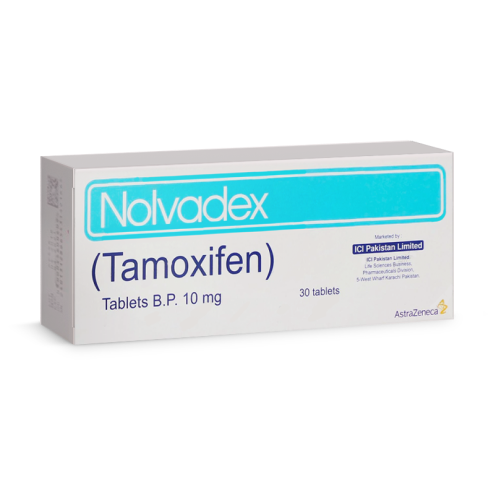
Nolvadex (tamoxifen) is a prescription medication proven to reduce the risk of breast cancer recurrence and improve survival for many patients. Before starting Nolvadex, every patient should know: this drug changes how your body responds to estrogen—not just in the breast, but throughout your system, with effects that matter for both benefit and risk. Understanding what that means for your own health is the first step to using Nolvadex wisely.
Nolvadex in Canada: Why Patients Ask for It—and When Doctors Recommend It
Walk into a Canadian pharmacy and ask about breast cancer medications, and Nolvadex is likely one of the first names you’ll hear. For decades, it has been a trusted choice—but not just out of habit. Many patients, especially those recently diagnosed with hormone receptor-positive breast cancer, find themselves searching “buy Nolvadex” or “Nolvadex in Canada” before they’ve even had their first oncology appointment. Why?
For most, it comes down to two things: proven ability to prevent cancer recurrence, and a safety profile that, while not free of side effects, is often easier to manage than some alternatives. Nolvadex (tamoxifen) is not chemotherapy. It doesn’t cause hair loss or the profound fatigue that many associate with cancer treatment. Instead, it works by blocking the effect of estrogen on breast tissue—critical for slowing or stopping tumor growth in the majority of hormone-sensitive breast cancers.
The role Nolvadex plays is defined by both evidence and experience. Provincial cancer care guidelines in Canada include Nolvadex as first-line therapy for many newly diagnosed breast cancer patients. If you see “order Nolvadex” or “purchase Nolvadex” appearing in Canadian forum threads, it’s a signal: patients trust it, but they also want to know if it’s still the right choice in an era with more options.
Yet it’s not one-size-fits-all. Not everyone benefits equally, and not every side effect is trivial. Understanding whether Nolvadex is the right fit means seeing where it shines—and where it might not. That’s what the rest of this article will unpack.
How Tamoxifen Works and What That Means for Your Daily Life
For patients newly diagnosed with hormone receptor-positive breast cancer, tamoxifen offers something no other drug quite matches: it blocks estrogen’s action on breast tissue without completely shutting down its production throughout the body. This selectivity is both Nolvadex’s greatest strength—and the reason its side effects differ from those of aromatase inhibitors or other targeted therapies.
What does this mean day to day? Most patients won’t experience the bone loss or joint pain so common with alternatives like letrozole or anastrozole. On the other hand, Nolvadex can increase the risk of blood clots and, rarely, uterine cancer—risks that need clear discussion up front.
- Selective Estrogen Receptor Modulator (SERM)
- Tamoxifen is a SERM. It blocks estrogen in breast tissue (where it can fuel cancer growth) but may act like estrogen elsewhere, such as bones and the uterus.
For many, this means a balancing act. Hot flashes and night sweats are common (though rarely severe enough to stop treatment). Sexual side effects, mood changes, and rare but serious events like vision changes or leg swelling must always be on the radar.
For younger women, there’s another twist: Nolvadex does not suppress ovarian function, so menstruation can continue. Fertility, contraception, and pregnancy safety all require careful planning—not just for the sake of the drug, but for your long-term health.
In daily life, the most important impact is often what you don’t notice: a steady reduction in recurrence risk, year after year, with side effects that are usually manageable for most—but not all—patients.
Nolvadex vs. Other Breast Cancer Medications: Where It Fits and Where It Doesn’t
Not every breast cancer patient in Canada should take Nolvadex. The decision between Nolvadex and other medications is shaped by age, menopause status, cancer stage, side effect profiles, and cost. To help clarify, here’s how Nolvadex stacks up against two key alternatives:
| Medication | How It Works | Who It’s For | Common Side Effects | Serious Risks | Prescription Status in Canada | Typical Cost / Coverage |
|---|---|---|---|---|---|---|
| Nolvadex (Tamoxifen) | Blocks estrogen receptors on breast cells | Pre- and post-menopausal; risk reduction; early/advanced HR+ cancer | Hot flashes, vaginal dryness, mood changes | Blood clots, uterine cancer (rare) | Prescription only | Usually public drug plan coverage; low generic cost |
| Letrozole/Anastrozole (Aromatase Inhibitors) | Stops estrogen production in post-menopausal women | Post-menopausal only; first-line in older adults | Arthralgia, bone loss, hot flashes | Cardiovascular risk, severe bone loss | Prescription only | Public/private coverage; higher cost than Nolvadex |
| Fulvestrant | Destroys estrogen receptors | Advanced/metastatic HR+ cancer, after failure of other agents | Injection site pain, hot flashes | Liver dysfunction (rare) | Specialist prescription only | High cost, limited public coverage |
For many younger women, Nolvadex is the only effective oral option. Aromatase inhibitors simply don’t work before menopause unless ovarian suppression is added—a fact often missed in online discussions about “buy Nolvadex online” or “Nolvadex without prescription.” For post-menopausal patients, the conversation is more nuanced: aromatase inhibitors may offer a small additional benefit in recurrence risk, but side effects (especially on bone health) are a common reason Canadian oncologists still recommend Nolvadex for some women.
If you’re deciding whether to buy Nolvadex or to switch to an alternative, discuss your own risk factors—especially age, bone health, and history of blood clots—with your cancer care team. What works for one patient may be wrong for another.
Taking Nolvadex: Dosing, Schedules, and What Real Life Looks Like
The classic Canadian prescription for Nolvadex is simple: 20 mg by mouth once daily, with or without food. But real life rarely sticks to the label. Whether you’re buying Nolvadex in pharmacy or considering to order Nolvadex online, what matters most is how to make it work for you—day in, day out, for five years or more.
- Most patients take Nolvadex at the same time each day, often in the morning to minimize sleep disruption from possible hot flashes.
- If a dose is missed, take it as soon as remembered that same day. If a whole day is missed, do not double up the next day.
- Duration of therapy is typically 5 years, but 10 years is sometimes recommended for higher-risk patients—your oncologist will guide this decision.
- Nolvadex can be taken with or without food, but taking it with food may help reduce digestive side effects for those who are sensitive.
| Indication | Standard Dose | Duration | Special Considerations |
|---|---|---|---|
| Early-stage breast cancer | 20 mg once daily | 5-10 years | Duration based on risk, tolerance |
| Risk reduction (high-risk population) | 20 mg once daily | 5 years | Discuss fertility and pregnancy risks |
| Advanced/metastatic breast cancer | 20-40 mg daily (split doses) | Until progression or intolerance | Higher dose rarely used |
Most patients in Canada receive generic tamoxifen, sometimes still referred to as Nolvadex, regardless of manufacturer. There is no clinically meaningful difference in effectiveness between brands and generics—though some patients note variation in side effect profile, which may relate more to inactive ingredients than the drug itself.
For the majority, taking Nolvadex becomes just another part of the morning routine—until a side effect or new symptom prompts a question. That’s when knowing what to watch for makes a real difference.
Which Side Effects Matter Most with Nolvadex—and When to Act
The side effects of Nolvadex are not just a list to skim—they shape how you feel, whether you stay on treatment, and what risks you need to watch for. In Canada, where healthcare providers are often proactive about side effect management, patients are encouraged to bring up symptoms early and often.
Hot flashes, night sweats, and changes in mood or libido are the most common day-to-day complaints. For most, these are manageable with lifestyle adjustments or, occasionally, medications. Rare side effects—such as blood clots (deep vein thrombosis, pulmonary embolism) and endometrial cancer—demand immediate attention, even if they occur infrequently.
| Side Effect | How Common | When to Contact a Doctor |
|---|---|---|
| Hot flashes | Very common (up to 80%) | If severe or interfering with sleep |
| Leg swelling / pain | Rare (<1%) | Immediately—possible blood clot |
| Abnormal vaginal bleeding | Uncommon | Immediately—evaluate for uterine effects |
| Mood changes | Occasional | If persistent or severe |
| Vision changes | Very rare | Prompt eye exam |
| Nausea | Occasional | If persistent or causing dehydration |
Managing these risks is about vigilance and communication. Canadian oncologists routinely monitor for these problems, and provincial cancer programs set clear protocols for follow-up. Patients who understand when to act can catch complications early—sometimes before they become serious.
“In my experience, the patients who do best on Nolvadex aren’t always the ones with the fewest side effects—they’re the ones who know when a symptom is normal and when it needs a call to the clinic. We encourage open discussion, especially about anything that feels ‘off’ during treatment. No concern is too small.”
When Not to Take Nolvadex: Contraindications and Cautions
- History of deep vein thrombosis (DVT) or pulmonary embolism (PE) not attributable to a reversible cause
- Known hypersensitivity to tamoxifen or any ingredient in the formulation
- Pregnancy (tamoxifen is teratogenic and contraindicated in women who are or may become pregnant)
- History of stroke or significant risk factors for thromboembolism: Nolvadex may still be prescribed, but with enhanced monitoring or in combination with risk-reduction strategies.
- Concurrent use of certain antidepressants (e.g., paroxetine, fluoxetine, bupropion) can interfere with tamoxifen’s metabolism and effectiveness—alternatives may be required.
- Liver impairment: Dose adjustments and close monitoring are advised, as tamoxifen is metabolized in the liver.
- Pre-menopausal women wishing to conceive: Nolvadex should be stopped well in advance of planned pregnancy, as it remains in the system for weeks post-discontinuation.
Patients in Canada are usually screened for these risks before a prescription is written. However, some risks emerge only over time or with changes in health status—making regular check-ins with your care team essential throughout treatment.
Access, Cost, and How to Buy Nolvadex in Canada—Without Surprises
Of all the questions patients type into search engines before starting treatment, “how do I buy Nolvadex in Canada?” is one of the most common. Here’s what you need to know about access, cost, and how to avoid pitfalls—whether you buy Nolvadex in pharmacy, order Nolvadex online, or try to purchase Nolvadex without prescription (a practice that carries its own set of risks).
- Prescription status: Nolvadex (tamoxifen) is a prescription-only medication in Canada. It cannot be legally purchased without a valid prescription from a licensed healthcare provider.
- Pharmacy access: Most Canadian pharmacies carry generic tamoxifen, which is often referred to as Nolvadex out of habit. Brand name Nolvadex is less commonly stocked, but most pharmacists can order it if requested.
- Online access: Some patients search for “buy Nolvadex online” or “Nolvadex without prescription” in hopes of finding affordable sources outside the Canadian system. Be aware: purchasing from unregulated sites is illegal in Canada and carries real safety risks—counterfeit drugs, incorrect dosages, privacy breaches, and lack of professional guidance.
- Cost: Generic tamoxifen is widely covered by provincial drug plans and is typically low-cost (often under $30/month for uninsured patients). “Nolvadex cheap” is a reality for most Canadians, especially compared to newer agents.
- Insurance: Private insurance plans usually cover both brand and generic versions. Some may require generic substitution unless the prescriber specifies “no substitution” for clinical reasons.
Ordering Nolvadex online may seem convenient or more affordable, but the risks outweigh the benefits unless you are using a licensed Canadian online pharmacy and submitting a valid prescription. “Nolvadex in Canada” searches often land on international sites that do not comply with local laws or safety standards—buyer beware.
Frequently Asked Questions About Nolvadex in Canada
- Can I buy Nolvadex online in Canada without a prescription?
- No. In Canada, it is illegal to purchase Nolvadex without prescription, even from online sources. Legitimate pharmacies—online and brick-and-mortar—require a valid prescription from a Canadian-licensed healthcare provider. Ordering from unlicensed websites poses serious health and legal risks.
- Is it safe to purchase Nolvadex from international online pharmacies?
- Buying Nolvadex online from outside Canada is risky. These products may be counterfeit, substandard, or not approved by Health Canada. Safety and quality cannot be guaranteed, and legal consequences are possible if you import prescription drugs without proper authorization.
- What is the difference between Nolvadex and generic tamoxifen in Canada?
- There is no clinically meaningful difference in effectiveness or safety between brand-name Nolvadex and generic tamoxifen available in Canada. Both are approved by Health Canada and must meet the same quality standards. The main difference is often price—generics are usually more affordable.
- How much does Nolvadex cost in Canada if I don’t have insurance?
- Generic tamoxifen is one of the most affordable breast cancer medications in Canada. Without insurance, the price typically ranges from $20 to $40 per month, depending on the pharmacy and province. Some provincial plans cover the full cost for eligible patients.
- What should I do if I miss a dose of Nolvadex?
- Take the missed dose as soon as you remember that same day. If you only remember the next day, skip the missed dose—do not double up. Consistency is important, but one missed dose does not reduce the drug’s effectiveness in the long term.
- What medications or supplements interfere with Nolvadex?
- Some antidepressants (like paroxetine, fluoxetine, and bupropion) can reduce the effectiveness of Nolvadex by affecting its metabolism in the liver. Tell your healthcare provider about all prescriptions, over-the-counter medications, and supplements before starting Nolvadex.
- Can I become pregnant while taking Nolvadex?
- Yes. Nolvadex does not suppress ovulation. Use reliable contraception during treatment and for at least two months after stopping, as tamoxifen can harm a developing fetus. Discuss family planning in advance with your doctor if pregnancy is a possibility.
- Is Nolvadex ever used to prevent breast cancer in high-risk women?
- Yes. In Canada, Nolvadex is sometimes prescribed to women at high risk of developing breast cancer, even if they have not had cancer themselves. The decision to start preventive therapy is based on a careful assessment of risks and benefits for each individual.
References / Sources
- Health Canada – Official Website
- Canadian Cancer Society – Breast Cancer Treatment
- Canadian Cancer Trials Group: Tamoxifen in Breast Cancer, Queen’s University, 2022
- National Cancer Institute – Breast Cancer Treatment PDQ
- NICE Guideline NG101: Early and Locally Advanced Breast Cancer
- Breastcancer.org – Tamoxifen Overview
- Product Monograph: Tamoxifen Citrate, Sandoz Canada Inc., 2022
- Canadian Agency for Drugs and Technologies in Health (CADTH): Evidence Review, Tamoxifen, 2021